menu

entity
spaces
objects


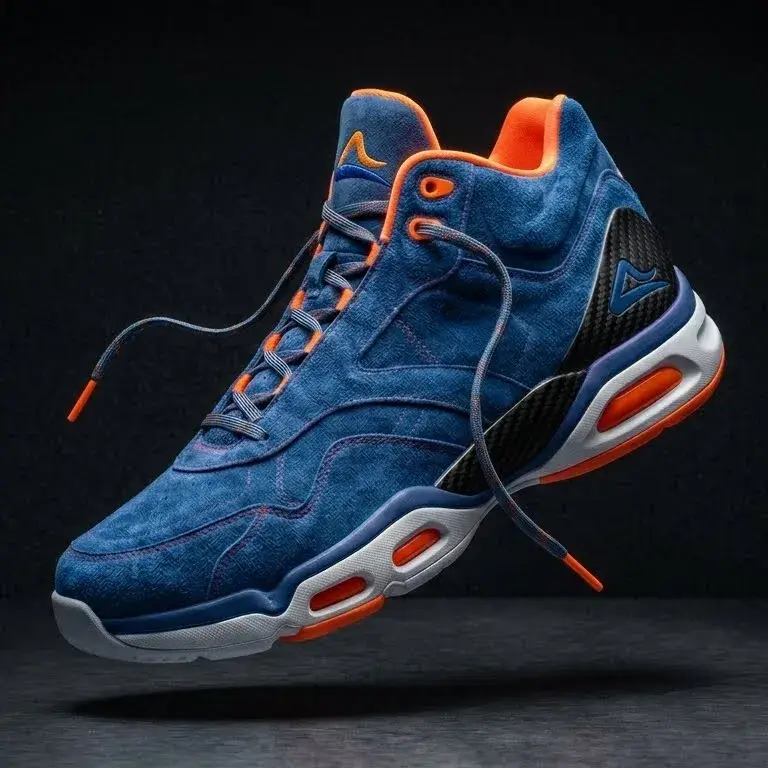


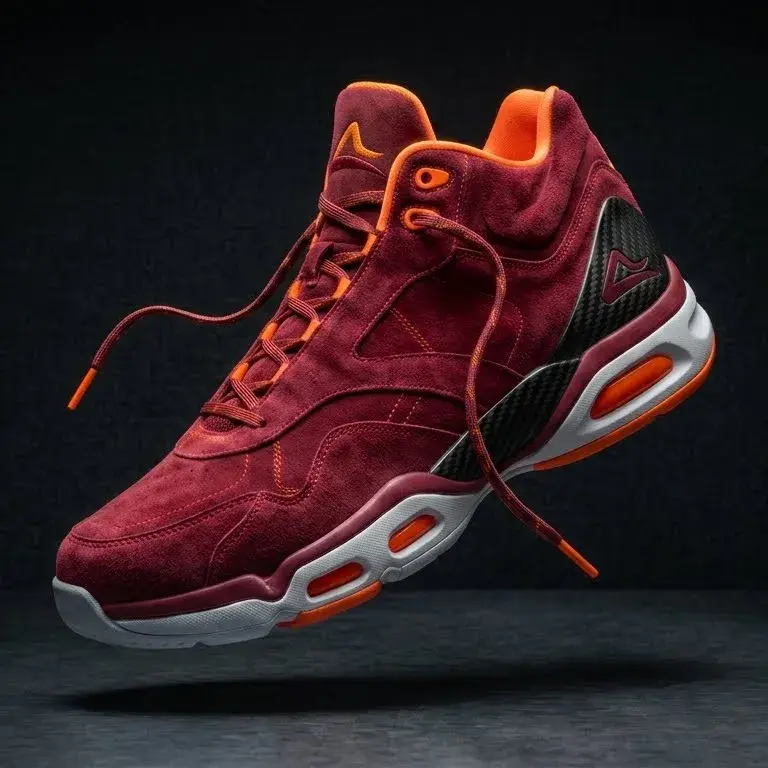
Controlled Generative Production
the service
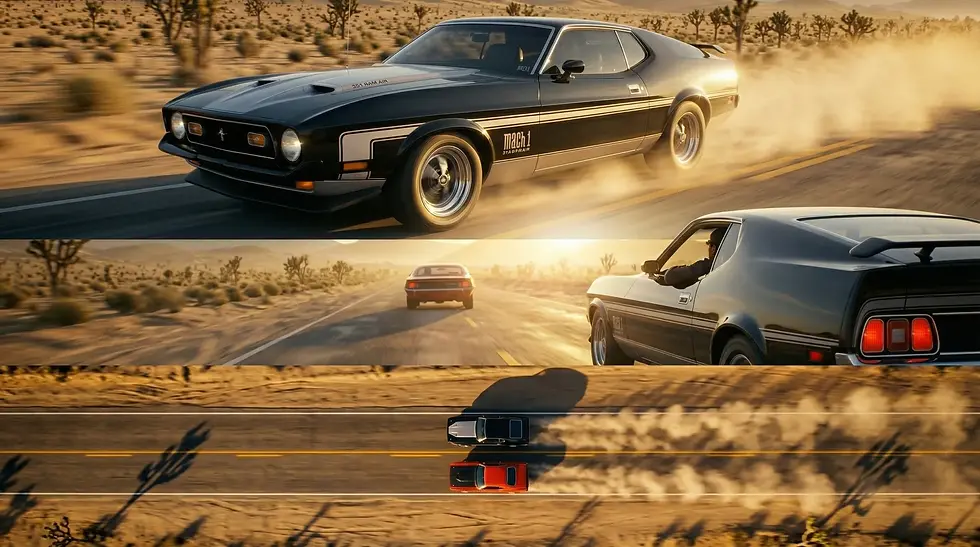
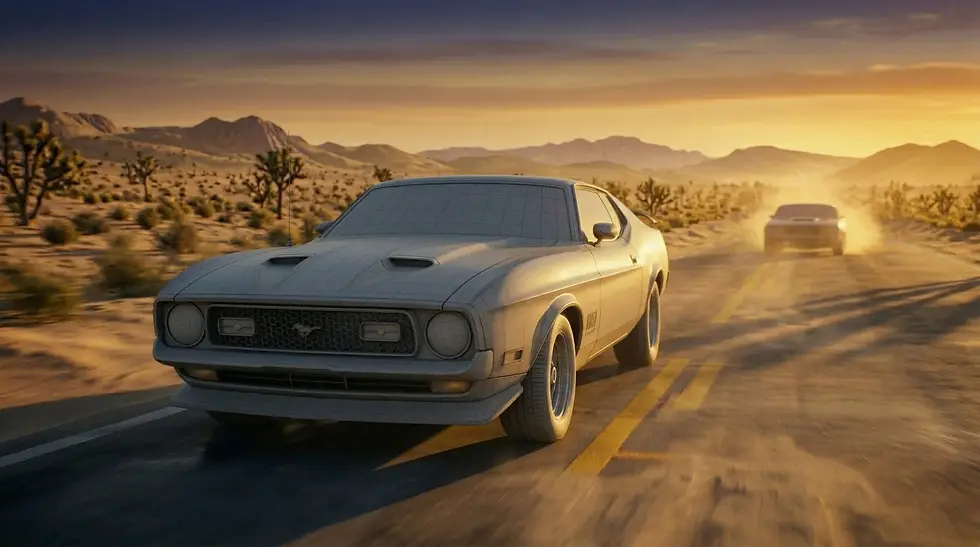
Traditional product rendering often results in static, "dry" visuals. My workflow here integrates a hybrid production pipeline where Unreal Engine 5 or Blender provides the structural foundation ensuring 1:1 geometry and material accuracy, while generative AI models drive the cinematic atmosphere, natural motion, and lighting. This approach allows for the creation of immersive product commercials that capture attention within the first seconds of the scroll.
By using 3D assets as a control layer for AI video generation, the service ensures that the product remains 100% faithful to the original design while existing in atmospheric, hyper-realistic environments that would traditionally require massive production budgets and weeks of filming.


Rapid Iteration &
Creative Scalability
The primary advantage of an AI-integrated video workflow is the ability to produce vast amounts of high-quality content with minimal friction. This flexibility allows for aggressive A/B testing and rapid adaptation to evolving market trends.
workflow
Dynamic Environments
The product is placed in any conceptual setting without the logistical costs of physical production or complex 3D environment building.
Iterative Design
Material properties, lighting moods, and color palettes can be modified rapidly to match specific campaign goals.
Cost-Effective Cinematics
Delivering the polish of a major film production at a fraction of the traditional cost and time.
Omnichannel Scalability
Seamless generation of native vertical (9:16) and horizontal (16:9) formats for TikTok, Instagram Reels, and YouTube from a single master 3D control setup.
Visual Consistency
Utilizing 3D "ControlNets" to ensure the product's form and branding stay immutable while the generative background and lighting adapt to the storyboard.
Seamless Integration:
Product Viz & Digital Casting
The ECHO fragrance campaign demonstrates the advanced capabilities of the Digital Casting service. Featuring Sonia, an exclusive digital model developed by kappataf, the workflow highlights the ability to maintain absolute physiognomic consistency across multiple angles and poses. By utilizing proprietary virtual personas, brands can achieve seamless integration between high-end product visualization and lifelike character interaction, ensuring complete control over the final commercial aesthetic without the logistical constraints of physical photoshoots.
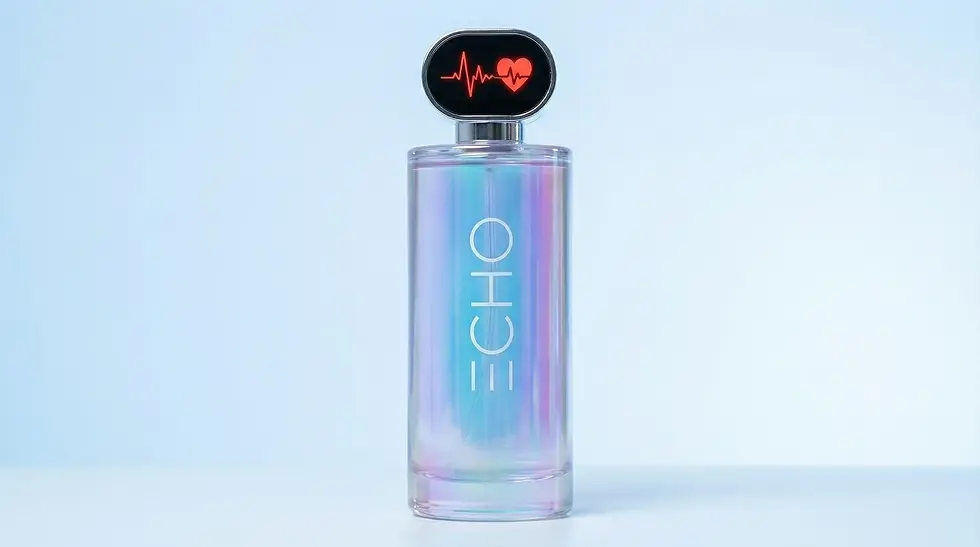
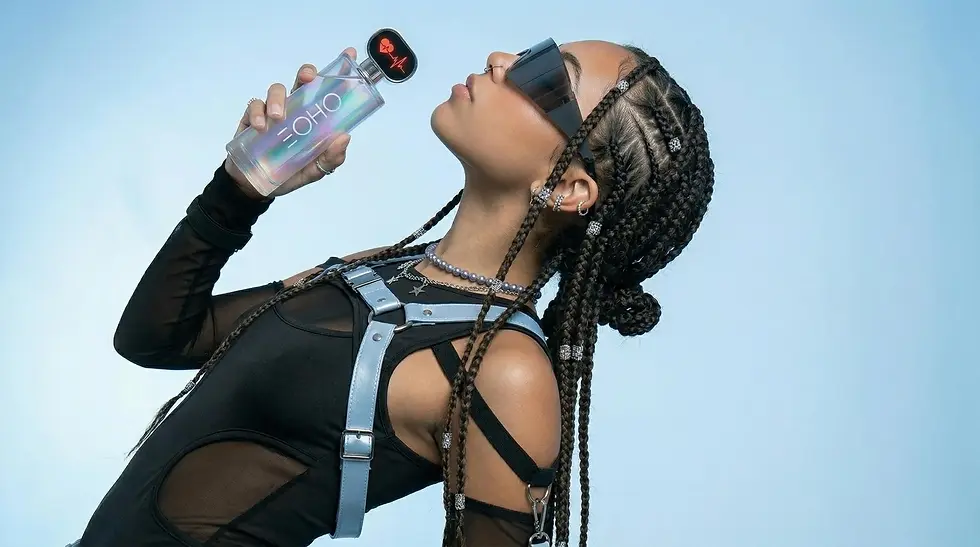
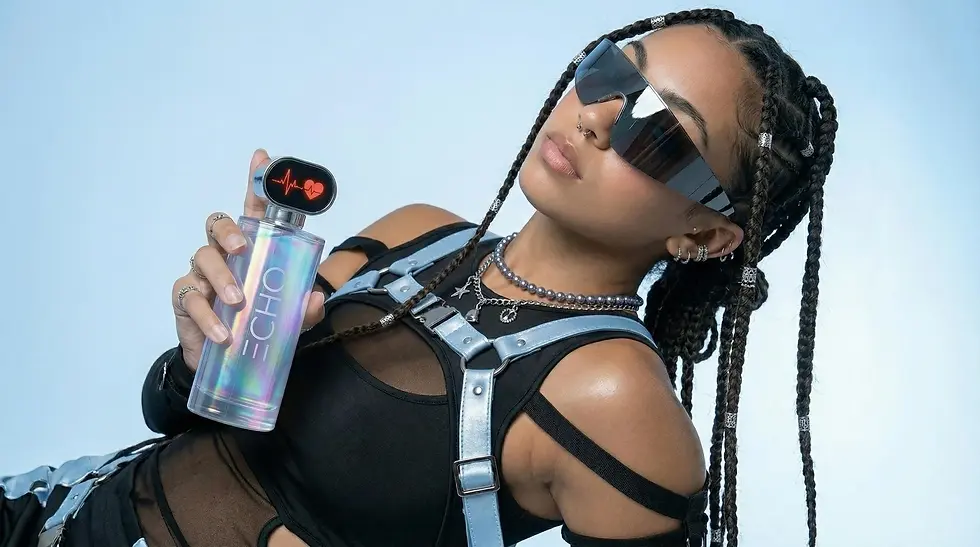


Versatile Product Visualization. Cinematic AI Motion and Interactive Unreal Engine 5 Environments
Hybrid Edge
Detail remains the differentiator in professional product visualization. While AI handles the cinematic flair, the core of the service is built on technical integrity. High-resolution CAD data is transformed into PBR (Physically Based Rendering) assets, ensuring that metals, glass, and complex textures interact correctly with light. This hybrid synthesis guarantees that the product remains the "hero" of the shot, maintaining its branding and structural identity while existing in a high-end, AI-generated atmosphere.
Detail remains the differentiator in professional product visualization. While AI handles the cinematic flair, the core of the service is built on technical integrity. High-resolution CAD data is transformed into PBR (Physically Based Rendering) assets, ensuring that metals, glass, and complex textures interact correctly with light. This hybrid synthesis guarantees that the product remains the "hero" of the shot, maintaining its branding and structural identity while existing in a high-end, AI-generated atmosphere.
Frequently Asked Questions
To initiate production, two primary sets of data are required:
Product Specifications: A primary 3D file (CAD, STEP, OBJ) is the ideal starting point. If a 3D asset is unavailable, clear, high-resolution reference photos accompanied by exact physical dimensions are entirely sufficient for accurate geometric reconstruction.
Brand Guidelines: A comprehensive brand book or visual identity guide (color palettes, typography, and aesthetic references) is essential.
Once this data is provided, all subsequent 3D modeling, texturing, and digital scene setup are fully executed by kappataf, ensuring the final commercial asset aligns flawlessly with the established corporate identity.
Standard 3D animation can often appear rigid or artificially pristine. The integration of AI-driven motion completely transforms this baseline by introducing highly organic, real-world variables. Complex atmospheric effects (such as light scattering, micro dust, or dynamic smoke), intricate fluid dynamics, and nuanced handheld camera movements are seamlessly synthesized into the sequence. This methodology elevates a "dry," mathematically perfect 3D render into a premium, dynamic cinematic experience capturing the authentic, tactile feel of a high-end live action commercial shoot while maintaining absolute geometric control over the product.
Yes. The product's geometry is entirely secure. The workflow does not rely on random text-to-image generation. The physical object's structure and design are strictly locked in using Controlled Generative AI techniques utilizing primary 3D models, CAD files, depth maps, and targeted inpainting. Artificial intelligence is applied exclusively to generate the environment, calculate realistic lighting, and render high-end textures. This specific approach guarantees 100% geometric fidelity and completely eliminates the risk of structural hallucinations.
Yes, the generated material fully meets professional industry standards. The deliverables (video assets and motion graphics) are exported in 4K resolution (and up to 8K for static shots), ensuring the strict bitrate, framerate, and color accuracy required by modern broadcast networks. The final visual output provides the sharpness and realism necessary for immediate deployment in both high-end television campaigns and large-scale digital displays, such as exhibition showrooms.
While the integration of AI significantly accelerates specific production bottlenecks primarily rendering times and rapid variation generation, each project remains a high end commercial production. The workflow strictly adheres to essential quality control phases, including concept development, geometric locking, and final refinement, which align with traditional production standards. Overall turnaround times are substantially faster than conventional 3D pipelines, but the final delivery schedule is determined by the specific scope, complexity, and scale of the individual campaign.